000%
Casellas GroupMiami

Selected Engagements and Case Studies

When enterprise value, control, legacy and key relationships are on the line, generic consulting frameworks fall short. Casellas Group works privately with controlling principals, family offices, corporate boards and specialist sponsors to resolve the specific structural problems in front of them.

The anonymized engagements below show how we align capital decisions with long-term control of the business.

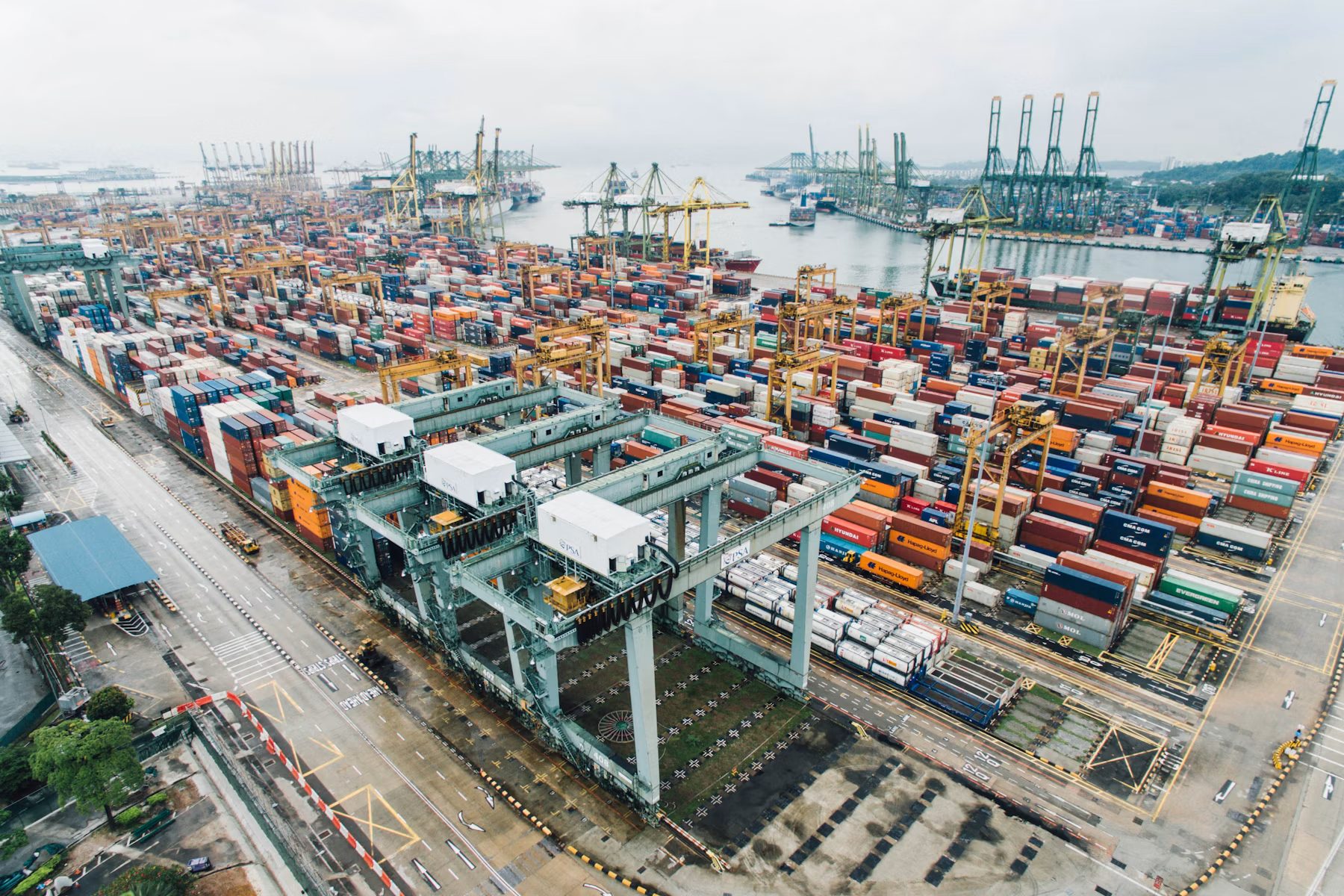
Shipping containers at a commercial port
Case Study 01

Shareholder Strategy for an Expanding Consumer Brand

Situation
A fast-growing North American consumer products company selling across retail and online channels had passed $120M in revenue. The two co-founders wanted liquidity on different timelines, while early angel investors were pushing for an immediate sale of the whole company.
Decision at Stake
The founders needed a path that would return capital to early investors without surrendering control of a business they believed had years of growth ahead.
Our Role
Instead of a rushed auction, we ran a disciplined review of four liquidity paths: a minority recapitalization through structured preferred equity, a partial founder buyout, a debt-funded dividend recapitalization and an outright strategic sale. We modeled each one against the founders' control objectives and the angels' return expectations.
Outcome
The founders closed a tailored minority recapitalization. It returned capital to early backers and left the founders firmly in voting control of the business.
Case Study 02

Weighing Growth Capital Against a Strategic Alliance

Situation
A regional logistics and infrastructure operator held two competing proposals: an institutional growth equity round carrying heavy liquidation preferences, and an exclusive commercial joint venture with a multinational peer.
Decision at Stake
Management had to choose the path that funded expansion at the lowest true cost, counting both dilution and the loss of commercial freedom.
Our Role
We stress-tested both scenarios against five-year balance sheet models, dilution thresholds, commercial dependencies and limits on operating autonomy. We put a hard number on the downside buried in the joint venture's exclusivity covenants and set it against the real cost of equity dilution.
Outcome
The company declined both offers and raised long-term capital from a group of private family offices on terms that left management free to run the business.
Case Study 03

Building an Independent Board Ahead of a Debt Raise

Situation
A fast-growing company operating across Florida and the Southeast was preparing for a debt syndication. Its legacy advisory board had no formal fiduciary accountability and no independent voices at the table.
Decision at Stake
The founders needed lenders to trust that the board could provide real oversight as the balance sheet grew.
Our Role
We rebuilt the board framework from the ground up. We drafted formal charters for audit, compensation, risk and strategy committees, then built objective scorecards to recruit independent directors with deep transaction experience.
Outcome
The company replaced an informal founder-led council with a functioning fiduciary board and went into the syndication with a board that lenders could hold to account.
Case Study 04

Confidential Strategic Review in a Deadlocked Shareholding

Situation
A cross-border specialty retail group headquartered in Miami was deadlocked between two 50% ownership blocks over international capital allocation and the restructuring of regional subsidiaries.
Decision at Stake
Both sides needed a way out that preserved the value of the business and kept the dispute out of court.
Our Role
Engaged directly by the company as an independent advisor with no conflicts, we completed a rigorous valuation review of each operating subsidiary, set objective hurdles for capital returns, modeled the separation alternatives and negotiated a governance compromise both blocks could accept.
Outcome
The shareholders sold non-core regional real estate and put a buy-sell mechanism in place, ending the operational paralysis without litigation.